Embarking
Essential Features of Plain Bearings
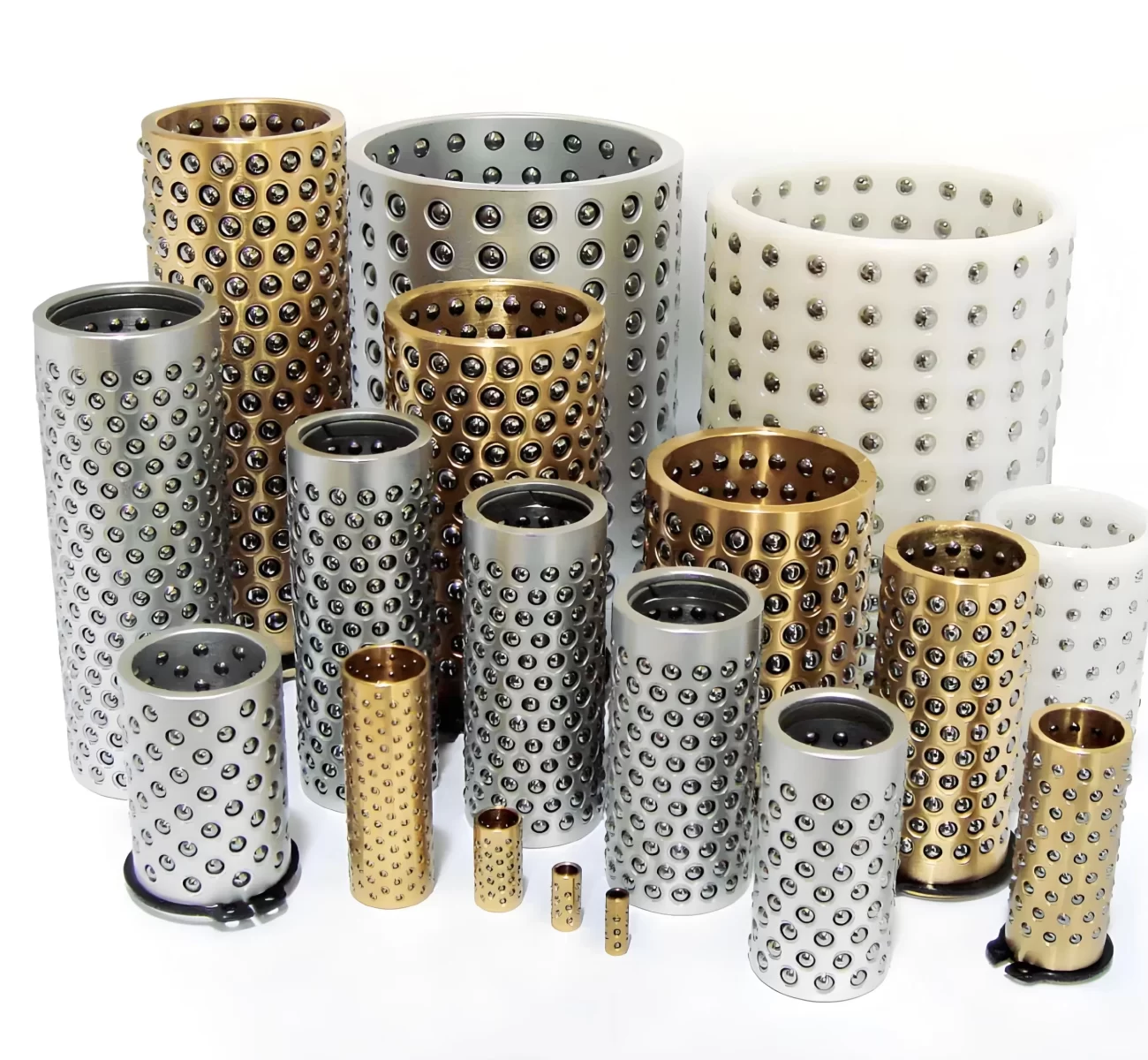
Conventional bearings constitute a paramount segment in a wide array of machinery devices. These mechanisms take advantage of friction to minimize the drag among moving components, enabling natural execution.
A range of models of classic liners are offered, each specialized for specialized purposes. Some popular classes include: * Cylindrical Bearings * Radial Bearings
Likewise, the roles of plain bearings are broad. They are used in mechanisms like: * Transportation Systems * Workshop Machinery * Automated Systems
Essential Principles of Sleeve Bearing Design
During creation sleeve bearings, several vital items must be rigorously analyzed to guarantee optimal functionality. The picking of the covering ingredient is fundamental, as it directly impacts the durability of the supporting component. Other relevant factors include bore width, gap, and sliding aid. A suitable harmonization of these features is indispensable to achieve a steady and competent sleeve bearing design.
Evaluating Thrust Washer Alternatives
While choosing thrust washers for their application, consider several features to ensure peak output and longevity. The first measure is discovering the accurate load requirements of said application. This covers both static and dynamic loads, as well as the orientation of the force. Once the load requirements are settled, you can filter thrust washer options based on their elements, configuration, and extent.
- Evaluating suitable elements plays a vital role in figuring the washer's strength to bear impact. Common options include steel, stainless steel, bronze, and nylon.
- Multiple versions are available to address particular application needs. Some common designs include flat washers, Belleville springs, and conical washers.
- Appropriate scale is mandatory for reliable performance. The washer must interface properly with the shaft and housing components.
Detailed Account of Bushing Substances and Traits
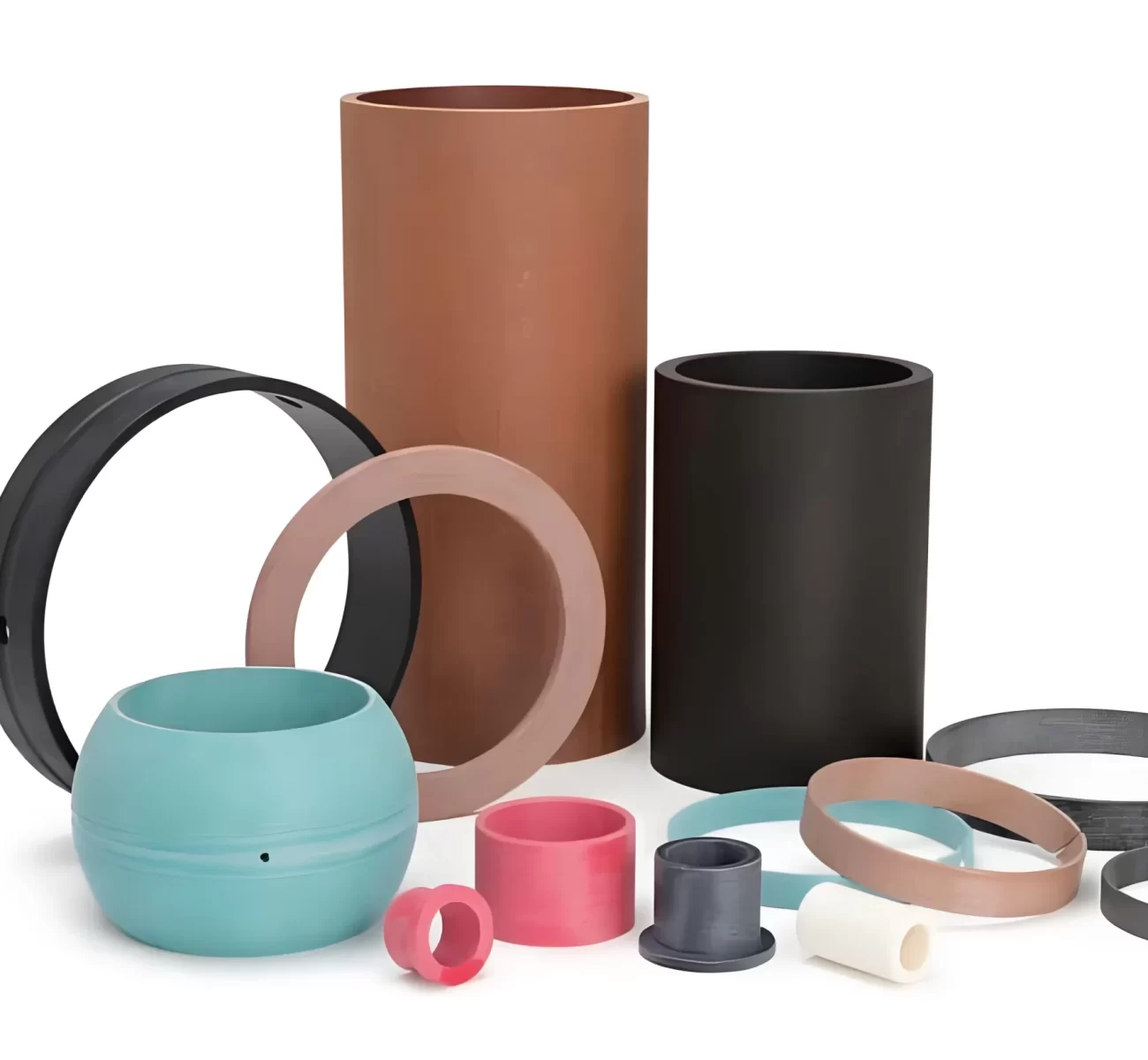
Sleeve liners serve as essential components in diverse mechanical systems, assisting smooth flow between dynamic constituents. The decision of correct bushing materials is vital to ensuring optimal performance and resilience under severe operating conditions. Common bushing materials include metal alloys, plastics, and elastomers|These encompass alloys of metals, synthetic polymers, and flexible compounds|Various metallic mixtures, synthetic resins, and elastic composites|Composite metals, polymeric substances, and rubber-like materials|Metal blends, engineered plastics, and resilient substances|Metallurgic compounds, plastic polymers, and soft elastic materials|Metallic mixes, synthetic fabrications, and flexible elastomers|Metal amalgams, plastic derivatives, and supple compounds}, each revealing unique features that influence their eligibility for designated applications.
- Metal alloys, such as bronze and steel, offer power but can be vulnerable to wear under heavy loads.
- Plastic composites like nylon and acetal provide good wear resistance and are lightweight, well-suited to silent and low-vibration environments.
- Stretchable composites, including rubber and polyurethane, excel in vibration dampening, advisable for sound dampening and structural defense.
The exclusive properties of a bushing material are determined by its composition, manufacturing process, and any surface treatments applied|governed by the mix, fabrication method, and finishing techniques used|shaped by constituent elements, production practices, and surface modifications|influenced by material blends, crafting processes, and treatment methods|defined by ingredient ratios, forming procedures, and coating applications|dictated by component makeup, creation routines, and surface enhancements|controlled by material formulation, manufacturing steps and finishing actions|affected by chemical composition, production stages, and surface protocols}. Factors such as temperature resistance, chemical compatibility, and load-bearing ability must be thoroughly assessed when selecting bushings for a chosen application.
Crucial Lubrication Guidelines for Bushings and Sleeves
Optimal lubrication is essential for maximizing the output of both bushing and sleeve bearings. These features play a central role in minimizing friction between moving points. By identifying the right lubricant and applying it carefully, you can substantially improve the sturdiness of your equipment.
- Factors to evaluate when choosing lubricants consist of:
- External thermal state
- Bearing stress profile
- Lubricant flow behavior
- Ideal lubrication processes:
- Routine maintenance checks
- Maintenance timing
- Effective delivery techniques
Diagnosis of Plain Bearing Breakdowns
Fundamental supports confront various failure processes due to the sophisticated interplay of load, speed, lubrication, and material properties. Ordinary failure reasons include wear, fatigue, seizure, corrosion, and scoring. Wear can result from grinding between the bearing surfaces, leading to size variations and operational decrease. Fatigue failures often occur as surface cracks or spalling, initiated by cyclic loading and amplified by stress concentrations. Seizure develops when the components seize together due to imperative lubrication or excessive loads, resulting in severe damage. Corrosion can degrade the structural integrity of the bearing components, while scoring is characterized by deep grooves on the bearing surface due to debris or misalignment. A thorough failure analysis involves examining the failed bearing, identifying the predominant wear patterns and analyzing the potential contributing factors.
Evaluation: Bushings and Sleeve Bearings
Identifying the optimal rotational support for your application, understanding the key contrasts between bushings and sleeve bearings is vital. Both provide rotational action while limiting friction, but their arrangements lead to distinct advantages and disadvantages. Bushings are typically made from durable materials, offering high crushing resistance. Sleeve bearings, conversely, feature a greased inner surface that improves sliding through sliding movement.
- Hence, bushings are often recommended in applications requiring strong resistance, while sleeve bearings excel in fields where smooth and stable rotation.
- What's more, the choice between bushings and sleeve bearings rests upon factors such as application demands.
Minimizing Friction in Plain Bearings
Fundamental supports encounter friction, a force that reduces their efficiency and lifespan. Improving friction reduction strategies is essential for securing optimal bearing performance. This can be realized through various methods, including the adoption of appropriate materials, surface treatments, and lubricant systems.
Implementing high-quality lubricants with low viscosity and strong film strength is fundamental to minimizing friction. A well-designed fluid distribution network ensures consistent lubrication and mitigates wear. Careful attention should also be paid to bearing layout. Modifying bearing clearance, selecting appropriate surface textures, and optimizing load distribution all contribute to friction reduction. Continuous monitoring and care are required for maintaining optimal friction levels throughout the bearing's lifespan. By implementing these strategies, engineers can significantly reduce friction in plain bearings, leading to increased efficiency, extended service life, and reduced operating costs.
Clearance Influence on Thrust Washer Performance
Precise clearance between the thrust washer and pivoting components carries a major role in optimizing productivity and lifespan of the machinery. Insufficient clearance can cause friction, heat buildup, and premature wear of the washer and related surfaces. Excessive clearance may trigger wobble, noise, and lowered efficiency. Maintaining proper clearance ensures smooth operation, reduces mechanical stress, and lengthens the working life of the thrust washer assembly.
Appropriate Bearing Installation and Sustenance Processes
Efficient positioning of bearings is paramount for confirming their prolonged performance. Before insertion, always diligently clean the shaft and housing surfaces to discard any residue. When installing bearings, double-check that the proper lubrication is applied according to the manufacturer's specifications. Routinely checking bearings for signs of damage is indispensable to prevent premature degradation. Keep a precise record of all work, including the date, type of work performed, and elements replaced.
- Inspect bearings for signs of defects. bushing
- Coat bearings according to the manufacturer's guidelines.
- Renew worn or damaged bearings promptly.
- Maintain bearings regularly to remove debris.
Create a formal checkup schedule that includes regular evaluations of bearings. Following to these practices will optimize bearing functional period and lower the risk of unexpected failures.
State-of-the-Art Bearing Progress: Ceramic & Composite
In the area of production engineering, bearings are necessary devices that support smooth rotation and lower friction. Traditionally produced with steel, developments in material science have led to the emergence of next-generation ceramic and composite bearings, offering distinct assets. Ceramic bearings, renowned for their exceptional hardiness, exhibit low friction coefficients and high heat resistance. Composite bearings, on the other hand, leverage the benefits of different materials to achieve improved performance characteristics. These advancements find applications in a broad range of industries, from aerospace and automotive to therapeutic sectors. The future of bearing technology lies in the persistent development of these advanced materials, pushing the limits of performance and reliability.
Ultimately