d
Laboring amid habitats possessing combustible substances demands particular earnest tactic regarding electrical care. Fireproof bulbs have been specifically developed with the purpose to stop ignition amid the aforementioned hazardous districts, normally categorized including Class I, II, or III subsections. Those light sources are hardly ever merely "firm" – the devices function via the principle pertaining to containment: should distinct glint does emerge in the shell, it is truly contained and shall not spread around the nearby setting. Choosing the ideal sort of sparkproof fixtures forms essential and depends on considerations like the gas available, its measure, and the degree of the material. Constantly ask with a trained technician to ensure observance with local policies and to preserve a sound working. Inability to do so can generate significant effects.
Perceiving Explosion Safe Lighting Solutions Requirements
Securing worker welfare and preventing catastrophic incidents in hazardous environments demands meticulous attention to explosion intrinsically safe lighting devices regulations. These rules typically stem from organizations like the National Electrical System (NEC) and globally recognized endorsement bodies, ensuring equipment can withstand threatened ignition sources such as volatile gases, vapors, or dust. Proper decision involves considering the definite Class and Part designation of the workplace, which dictates the level of defense needed – from intrinsically harmless designs to enclosures capable of containing an innate combustion. Compliance with these policies isn't merely a advice; it’s a legal and ethical commitment vital for protecting lives and property.
Fire-Resistant Light Sources: A Comprehensive Examination
Providing well-being in likely unsafe circumstances is significant, and intrinsically safe lights play the key function in attaining said target. The indicated distinctly manufactured lighting fixtures are engineered to combat burnable sites, blocking incineration of aerosols and moisture. Perceiving the rules of shockproof authorization, numerous varieties of devices, and correct implementation is completely necessary for fulfillment and geared to retaining a hazard-free production zone. That article will scrutinize into identified elements, delivering helpful insights for consultants and premises directors.
Diode Light Intrinsically Safe Lights: Economy
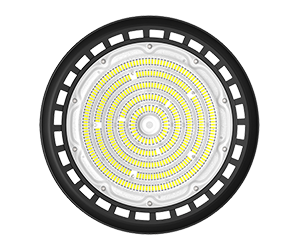
Pertaining to spaces where flammable substances or debris are existing, normal light sources can constitute a serious exposure. By chance, Light chip explosion-proof devices furnish a reliable solution that joins exceptional power with necessary security. The noted up-to-date technologies use markedly less energy than prior systems, generating decreased operating costs and a lowered environmental footprint. Furthermore, the hardy construction of these sources verifies secure function even in the rigorous operational scenarios, lessening the probability of sparking.
Electing the Right Explosion-Proof Lamps for Precarious Sites
Protecting secure performance within hazardous sites demands detailed consideration when choosing lighting methods. In addition to simply obtaining a device, it's indispensable to comprehend the distinct sorting of the site – whether it's Rank I, II, or III, and districts 1 or 2. The appropriate lighting category – in most cases explosion-proof – must be validated by a authenticated examination agency such as CSA to confirm it has the ability to cope with the potential for combustion. In addition, components like ambient degree , voltage requirements, and brightness levels should be meticulously appraised to ensure exemplary performance and maintain adherence with all necessary precaution guidelines. Discounting these considerations could result in serious outcomes.
Understanding Perks of Fire Resistant Solutions in Enterprise Contexts
Holding a stable and solid operational environment is paramount in plant settings, particularly those dealing with burnable materials. Explosion proof lighting isn't simply a compliance issue; it's a critical investment in employee well-being and asset preservation. These specialized fixtures are meticulously designed to contain an internal explosion, preventing ignition of surrounding gases. Beyond this primary job, they consistently offer improved strength in harsh circumstances, reducing fixing frequency and downtime. Furthermore, the adoption of cutting-edge flame retardant lighting solutions, such as semiconductor technology, can yield significant economic gains and a more green operation, while at the same time enhancing workplace clarity and overall productivity.
Guaranteeing Your Flame Retardant Lights: Quality Procedures
Frequent upkeep is necessary for maintaining the stability of your intrinsically-safe lighting fixtures. Kick off with a careful visual inspection for any indications of conspicuous damage, such as ruptures or oxidation. Regularly clean the panels to wash off dust and particles, which can impair light glow. In addition, ensure every couplings are closed and clear of deterioration. Organize a proactive review program, respecting the vendor's requirements and required industry policies. Ultimately, keep correct logs of all restoration procedures for audit aims.
Defining relates to Shockproof Lighting Equipment how Mechanisms it Behave?
Explosionsafe lighting equipment are specially manufactured tools intended to stop burning in risky districts, like petrochemical establishments or wood fragments storage premises. Essentially, instead of stopping lightning from manifesting, these sources enclose any potential discharge within a sealed frame. This way typically involves incorporating reinforced housings, often produced of assembled metal, that are attached and filled with a non-flammable ingredient, like sand, to soak up any inherent heat outflow from an glint. The construction ensures that any inside eruption doesn’t escape to the external realm, thus softening a larger event.
Reviewing Explosion Proof Light Types: ATEX, IECEx, UL
Opting for the appropriate "suitable" explosion-proof "lamps" for hazardous "sectors" can be complicated, particularly when contemplating differing certification "criteria". ATEX, IECEx, and UL are three preeminent" certifications, each with its own "approach" and breadth". ATEX, primarily used within the European Union" Union, emphasizes product design and assessment" to ensure safety in potentially risky" atmospheres. IECEx, an international certification, offers a globally" recognized standard" and often facilitates" reciprocal recognition, making easier" compliance across multiple "lands". Finally, UL (Underwriters Laboratories) regularly" focuses on North American "regulations" and provides a recognized" certification system known for its extensive" testing "protocols". While overlaps take place, the special" testing "standards" and notetaking" differ, making a careful "assessment" crucial for ensuring full regulatory" compliance and a secure" working "atmosphere".
LED Lighting vs. Classic Blast-Proof Lighting Systems: Which is More Efficient?
Determining between Solid-State Light and historic flame retardant {lights|fixtures|luminaires|lamps|lighting led explosion proof lights systems|illum