Hello
ThisApple Watch’s ECG component has altered how countless users observe their vascular health. This manual probes into the functionality of the ECG interface on the Timepiece, elucidating how it performs and what style of insights it can present. We’ll address the foundations of heart rhythm readings, likely constraints, and necessary considerations to hold in consciousness before using the data points. Ultimately, this article aims to assist you to perceive your cardiovascular’s rhythm with the backing of your Apple Watch
Appreciating ECG+ by Your Apple Watch
The Wrist gadget equips a significant element, the ECG+ interface, enabling you to capture an electrocardiogram readily from your wrist. This instrument isn't a substitute for regular medical assessments, but it supplies valuable findings about your heart rate. The ECG+ app identifies atrial fibrillation (AFib), a condition of irregular heartbeat, and can display other heart deviations. To make use of it, ensure your watch and iPhone are compatible. You’ll have watchOS 7.5 or subsequent and iOS 14 or advanced on your iPhone. The process consists of placing your fingers on the Digital Crown and different area below it, staying the watch complete the reading. Results are stored in the Health app and can be provided with your medical professional.
- Ascertain proper watch positioning.
- Comply with on-screen instructions.
- Confer with results with a healthcare professional.
How Apple Watch Cardiac Feature Operates
A Wearable’s ECG sensor applies a smart approach to track your cardiovascular electrical potentials. It executes by leveraging electrical nodes located within the turn wheel and the bracelet. When you initiate an ECG measurement, these units send minuscule electrical impulses through your skin, which afterward pick up the electrical waveforms of your cardiac cycle. These data points are reviewed by cutting-edge methods within the timepiece to develop an ECG chart, which can then be examined within the fitness application on your iPhone. Related to accuracy, while the Apple Watch ECG tool can yield valuable knowledge, it is not intended to be a replacement for a professional ECG run by a licensed technician. Studies have shown varied levels of harmonization with 12-lead ECGs, highlighting the importance for analysis by a healthcare provider and it ought to be used as a tool for supervision purposes, never for conclusive determination of atrial conditions.
Deciphering the Apple Watch ECG Instrument
One’s Watch's ECG program can seem complex, but understanding how it executes is fairly simple. It’s key to keep in mind that this function isn't engineered to supplant a professional evaluation; instead, it supplies a snapshot of your cardiopulmonary electrical rhythm. At heart, the watch leverages electrodes installed in the crown and display to track the pulse signals. The mechanism can reveal potential abnormalities like atrial arrhythmia, which calls for additional medical examination.
- It's a screening instrument.
- Always connect with a qualified.
- Evaluate the limitations.
Cardio Exam on Apple Watch: Breaking Down Your Pulse Readings
Everyone’s Apple Watch's ECG feature offers a impressive glimpse into your vascular electrical activity. Still, it's fundamental to realize that these data points aren't a swap for a professional diagnosis. An ECG could detect variations like atrial fibrillation (AFib), which is a occurrence where your cardiac beats unevenly. Distinct findings could include normal sinus rhythm, or unusual patterns that demand supplementary investigation by a practitioner specialist. Constantly share your ECG evidence with your medical professional for valid assessment and adapted suggestions.
Are Your Smart Watch Cardiac Monitoring Giving Trustworthy Results?
The emerging Apple Watch ECG feature supplies a tempting glimpse into your cardiopulmonary health, but a question lingers: are they truly delivering accurate information? While the Apple Watch ECG is certified by the FDA, it's necessary to know it's not a proxy for a professional therapeutic evaluation. It’s designed to locate potential cardiovascular anomalies, which is associated with a need for further investigation, but false flags and false absence of signals are expected. Several circumstances, including proper orientation of the watch and externals contact, impact in yielding credible results. Understand consulting with your specialist regarding your ECG results ECG+ and never count entirely on the Apple Watch's judgment.
- Guarantee proper watch fit.
- Talk about results with your medical professional.
- Avoid self-treating based on ECG findings.
Apple Watch ECG & ECG+: Features and Merits Measured
Such Smartwatch offers the groundbreaking ECG and ECG+ feature, furnishing users to get one electrocardiogram immediately from their hand. The foundational ECG tool can discover signs of irregular heart rhythms, the potentially significant heart disease. ECG+ enhances upon this, providing a augmented 30-second recording duration and further analysis focused on highlighting port-side heart areas, the ones that might be relevant for certain patients with such record of inexplicable ischemic incident. These features illustrate a key step forward in personal biological assessment tools, possibly allowing for preliminary support and upgraded user accomplishments.
Correcting Typical Challenges with the Apple Watch ECG
If the particular Apple Watch ECG feature isn't executing as expected, various suspected factors may and might be moderately handled. Before anything else, verify your watch and your iPhone are the latest with the updated software. Then, give a shot at restarting both machines; a brief reboot frequently eliminates light glitches. Additionally, assess the ECG settings in the Health software to guarantee everything needed parameters exist as deployed accurately. Finally, if you still facing complications, get support from Apple Assistance for extra advice.
Beyond the Essentials: Comprehensive Apple Watch ECG Understanding
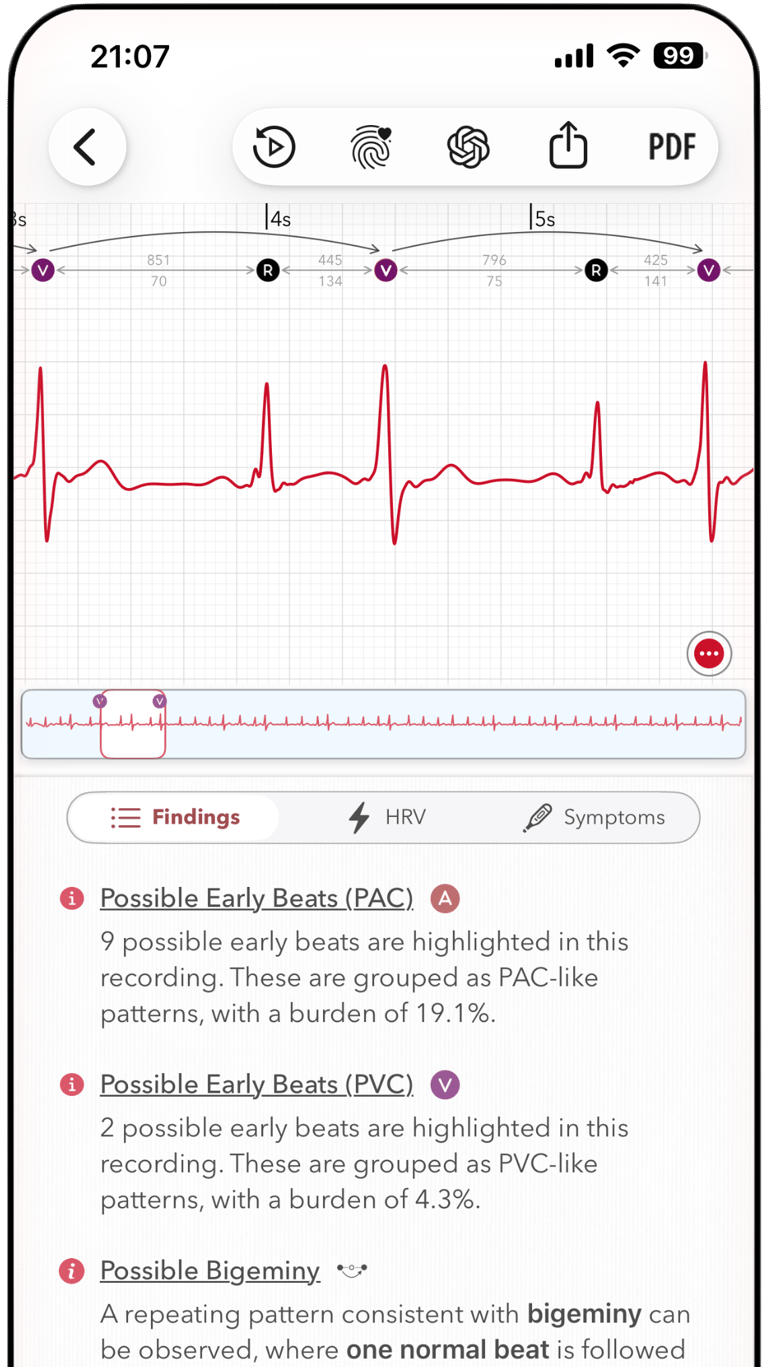
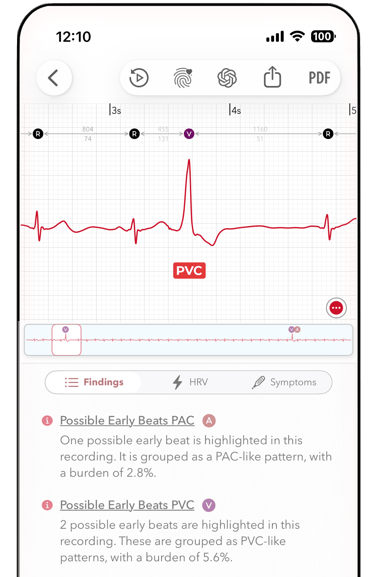
While the Apple Watch’s ECG feature offers a valuable tool for locating potential atrial fibrillation, analyzing outside of the preliminary assessment presents a field of elaborate opportunities. Careful observation of the complete waveform, including features like P wave configuration, PR length, and QRS pattern, obliges a deeper comprehension of cardiac biology. Furthermore, reviewing trends over length and linking ECG data with user’s indications can contribute vital insights for improved specialist scrutiny, notwithstanding it's imperative to remember that the Apple Watch ECG is not a replacement for a professional cardiac evaluation.
Farewell