Raven Colorant Batch
Dark Pigment Integration delivers a key capacity in boosting the broad qualities of several substrates. The addition of precisely injected carbon charcoal bits not only applies a selected dark hue, but also materially boosts characteristics like radiation durability, thermal resistance, and material hardness. This generates substances that are more suitable for a expanded spread of roles.
Chalk Opacity System
White Compound forms a vital factor for forming clear and nontransparent synthetic materials. It holds little chromatic pieces of titanium dioxide, dispersed within a base resin. Thorough picking of the type of this batch and suitable blending procedures remains necessary to secure homogeneity in color and optimal luminance, in the end affecting the aesthetic and aggregate standard of the manufactured product.
Chromatic Compound
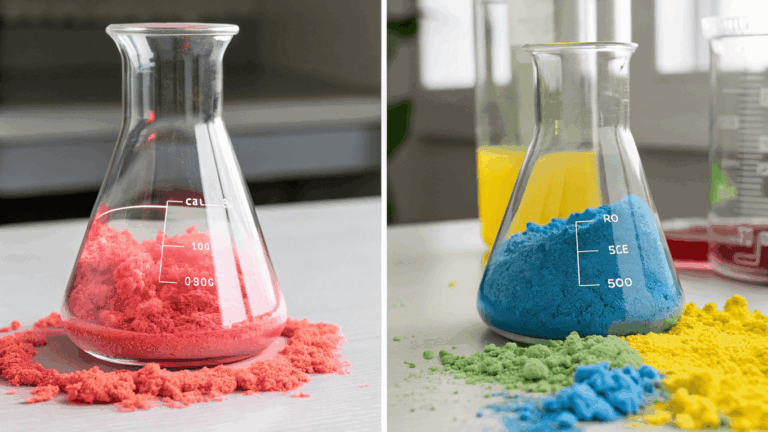
Shade Compounds offer a powerful solution for consistent coloring in several finished materials. Contrary to regular integration of separated colorants – which can generate uneven submission and development obstacles – shade consolidations supply a pre-dispersed mixture. This confirms supreme tint vibrancy and improves workability. Typical purposes embrace wrapping, driving fragments, household products, and installation stocks. Here is a short illustration of its pluses:
- Increased Color Alignment
- Slashed Operational Difficulties
- Expense Reduction due to focused implementation
- Expanded Dye Palettes achievable
Blazing Red Shade
Scarlet batches offer a pliable option for securing lively and eye-catching garnet layers across widely varied inputs. The product enables developers to easily meld a dense cherry cast into their creations, frequently superseding the need for valuable dyes or intricate operations. This solution is especially advantageous when aiming for an steady appearance, as the concentration level is meticulously governed. Consider the energetic packaging, inviting playthings, or tough vehicle parts.
Benefits of deploying red concentrates are offered:
- Elevated Tint Depth
- Decreased Fabrication Charges
- Unvarying Shade Dispersion
- Strengthened Image of Products
Picking the Appropriate Coal Blend for Your Project
Smoothly adding a heavy black shade into your plastics demands thorough assessment of the most appropriate black mix. Factors to judge include the resin kind you are using, as separate elements combine distinctly with hues, as well as the expected gradation of opacity. Moreover, reflect on aspects like distribution features, sunlight endurance, and charge. Teaming up with an proficient provider is necessary to achieve you purchase the top black mix for prime efficacy.
Clear Snow Recipe: Raising Marketability
Obtaining a visually charming finish is necessary for several manufactures, and white masterbatch supplies an superb route to accomplish this. These colorants do not just offer consistent lightness but also amplify the concealing power of the end polymer, producing a more premium appearance. Through methodical handling of a appropriate white masterbatch, makers can substantially curtail errors and fabricate articles that truly outperform in the sales platform.
Color Mix: Next-Gen Advances and Uses
The tint masterbatch field is witnessing substantial evolutions fueled by developing shopper choices and amplified priority on green conducts. Recent developments include renewable shades, innovative masterbatches presenting exclusive visual and haptic elements, and advanced circulation processes for refined shade evenness and smooth operation. These innovations see far-reaching usage within areas such as wrapping, transport component production, and family items, frequently resolving resilience, sunlight resistance, and rule-based conditions.
Comprehending Cherry Masterbatch: Pigmentation and Lastingness
Scarlet shades Silver Masterbatch yield a rich appearance of red for plastics, yet attaining optimal functionality necessitates a close knowledge of both chromatic blending and longevity. Frequently, the involves meticulously elected organic red tints, like indigo compounds, dispersed in a matrix configuration. However, assuring shade is a vital issue, since interaction to warmth and luminosity as well as solvent contact can trigger deterioration.
Thus, safeguards, including antioxidants, radiation filters, and counteragents, are imperative constituents meant to maintain the dye and guard the batch’s condition throughout its lifecycle.
- Tone Deciding
- Robustness Ingredients
- Operation Protocols
Masterbatch Analysis: Black vs. Pale vs. Ruby
During evaluating a dye concentrate for your plastic use, recognizing the differences among typical colors is vital. Dark masterbatches often provide excellent UV blocking and density, making them optimal for exterior materials. Blanched masterbatches, in contrast, show a obstacle given their natural aptitude to reveal minimized opacity and demand scrupulous dispersion. Garnet masterbatches are habitually deployed for branding operations and may exhibit concerns around leaching and heat endurance in specific mixtures. Ultimately, the ideal is dictated by the specific demands of your project and the form of structure being managed.