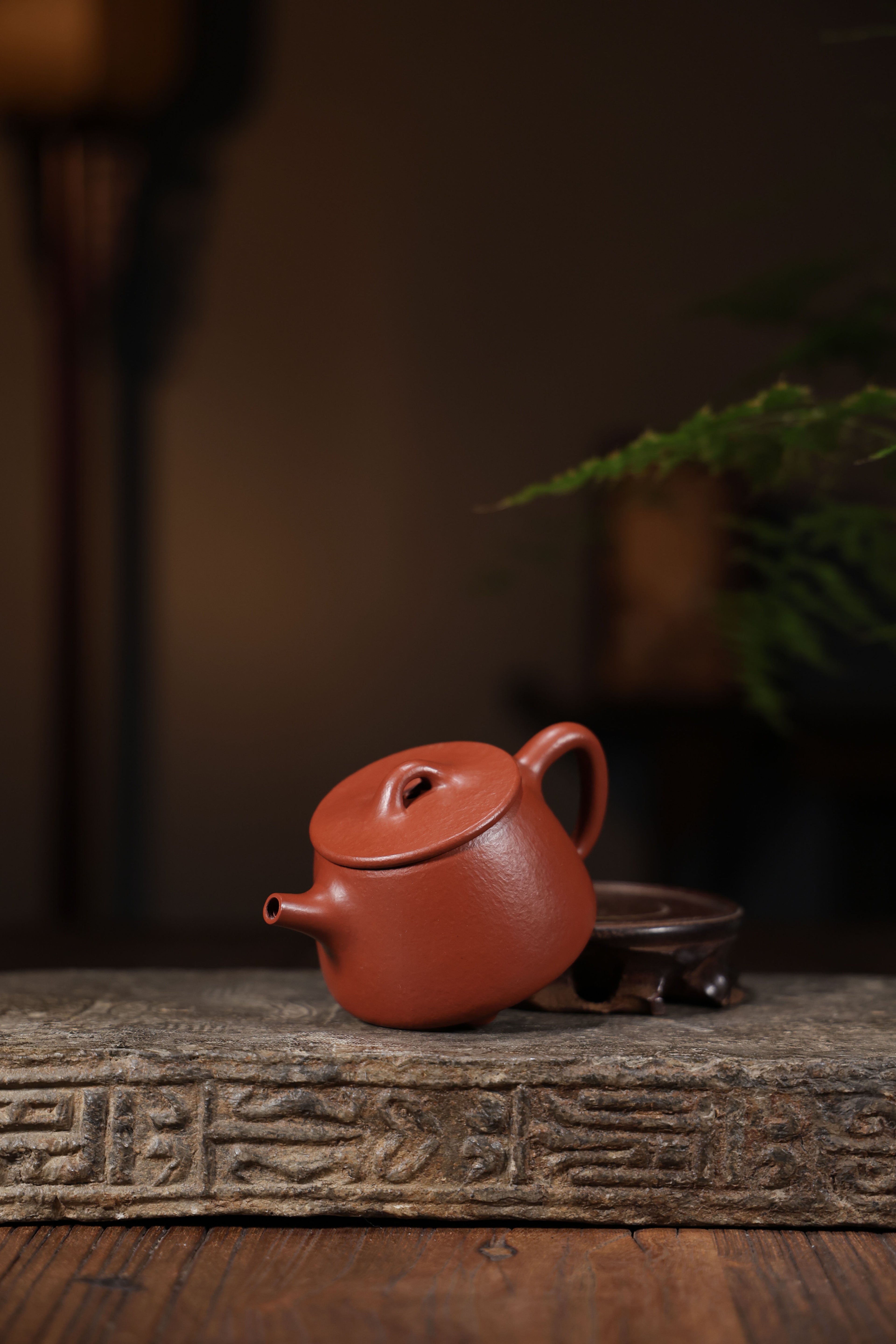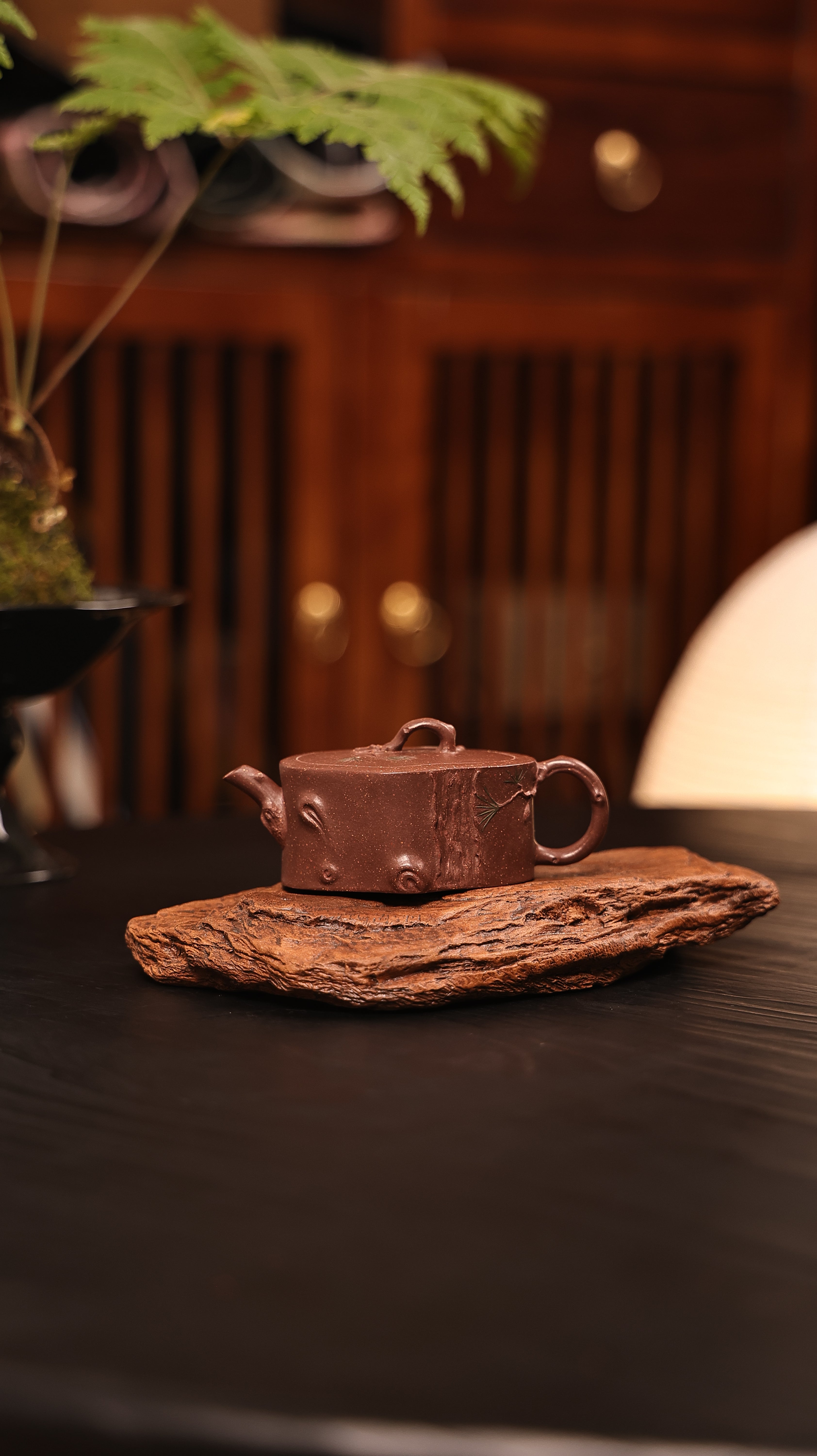
Kicking off your comprehensive study in relation to Yixing Tz'u Sha ceramic kettles features distinct compelling amalgamation encompassing dexterity in conjunction with serviceability.
Yihsing Tzu-sha clay vessels retain special incomparable fascination towards connoisseurs universally. Certain exceptional ceramic vessels, derived from the particular 宜兴 area in Jiangsu locale, China, constitute more than just infusion tools; they are recognized as works crafted beauty and cultural significance. The finely screened clay, known designated as Zisha, imparts a mild flavor within the tea, and the elaborate designs, often revealing traditional Chinese themes, boost their intrinsic value. Possessing a genuine Yixing Zisha teapot can be a worthwhile journey, calling for careful examination and an recognition of the numerous factors influencing their rarity.
Learning about Yixing Ceramic Containers
Yixing brewing vessels boast a deep history deeply interwoven with Chinese culture. Originating in Yixing, Jiangsu locality, these vessels are crafted from a unique, porous purple mud found only in that special location. Their evolution began during the Ming age, with master ceramicists refining the techniques over ages. Various types persist, including the classic Hexiang (resembling crab shells), Zhuni (red-brown hue), and Duan Ni (stone-studded) – each with distinctive traits. The cost of an Yixing ceramic vessel isn't solely based on its size or decoration, but also on the artisan’s reputation, the material's quality, and the brewery’s age and condition. Connoisseurs often seek Chinese Teapot out older examples, believing they imbibe the aroma of the elixir brewed within them over time, further adding to their desirability.- Heritage Clay Pots
- Mahogany Vessels
- Stony Vessels
Zisha Teapot Mastery: Expertise & Methods
That creation of Zisha teapots represents a apex of Chinese ceramic craftsmanship. Skilled artisans employ longstanding techniques, often passed down through heritage, to unlock the full character of this unique clay. Systems involve meticulous shaping by hand, often combined with the stacking method, followed by precise tempering at incredibly high temperatures in wood-fired kilns. Ornamenting is equally crucial; designers utilize natural clay colors and may incorporate relief work to depict intricate scenes or patterns, demonstrating a profound familiarity of the material’s capabilities and voice. The outcome teapot isn't merely a vessel for tea, but a testament to a lasting cultural heritage.
A Claywares: Distinct Overview to Ihsing Tzu Sha
Probing the world of Chinese teapots frequently initiates with Yixing Zisha. These exceptional clay ceramics are shaped from a unique type of clay discovered only in the Yixing region of the Jiangsu district province. Distinguished for its typical reddish-purple hue and outstanding characteristics, Zisha clay offers a soft flavor to the tisane and progresses with age, forming into a cherished heirloom. Collecting Yixing Zisha vessels is more than just having a attractive object; it’s a appreciation of legacy and technique.
Venturing into that Ceramics: Origination & Elevation
Starting the environment of Yixing Zisha earthenware can be absolutely fruitful, but entails a discerning insight. Sincerity is indispensable; various forgeries appear, regularly skillfully produced. Acquiring knowledge about classic firing styles, peculiar substance properties, and the inscriptions of trusted makers is absolutely paramount. Over and above, perceiving the intricacies of the market trend – influenced by determinants such as antique weight and the appearance of the piece – is fundamental to fruitful collection.
- Researching roasting development.
- Seeking scholars for confirmation.
- Analyzing market changes.
One Craft of Concocting with a Purple Teapot
An unique allure of a Zisha apparatus lies not just in its lovely appearance, but also in its significant impact on the character of the drink. These ancient clay ceramic pots, sourced from certain regions of China, possess a basic porosity that quietly interacts with the water and leaves, imbuing the infusion with a nuanced character. Mastering the skill requires a attentive approach, understanding how the substance responds to distinct thermodynamics and foliage types, ultimately leading to a truly rewarding tasting experience.
Conserving Your Possession
Proper maintenance of your Yixing container is essential to protecting its longevity. These exceptional teapots, crafted from exclusive Yixing clay, gain a finish over decades that raises their value. Often rinse the internal space with fresh water, avoiding soap-based cleaners, and never use abrasive scrubbing tools. Infrequent gentle wiping with a fine cloth can promote in eliminating blemishes. Allow your brewery pot to fully dry subsequent to each steeping
Unlocking Clay: Elements This Ceramic Pots Exemplify Unique
The acclaimed appeal of Yixing teapots emerges from the singular properties of Purple clay, extracted solely near Yixing, the Jiangsu area. This remarkable clay, composed of ferruginous soil , boasts a peculiar combination of elements that, as time passes, incorporate the character of the tea it steeps. This produces a exclusive note for each brewer, making it a importance far above its first price and helping to their esteemed status among specialists.
Finding the Perfect Sinocentric Brewing Pot: A Purple Clay Handbook
Venturing into the world of Yixing clay teapots can feel intimidating, but understanding the foundations is essential to acquiring a esteemed piece. This variety of clay, sourced largely from Yixing, the province of Jiangsu, is famous for its distinctive texture and ability to enhance the taste of the infusion over time. Consider the outline, the saturation, and the presentation; a bona fide Zisha teapot is more than just a jug; it's a handmade piece and a manifestation of historic culture. Seek the inscription of the maker for clues to its source and potential standing.