Beginning agricultural drones for farming
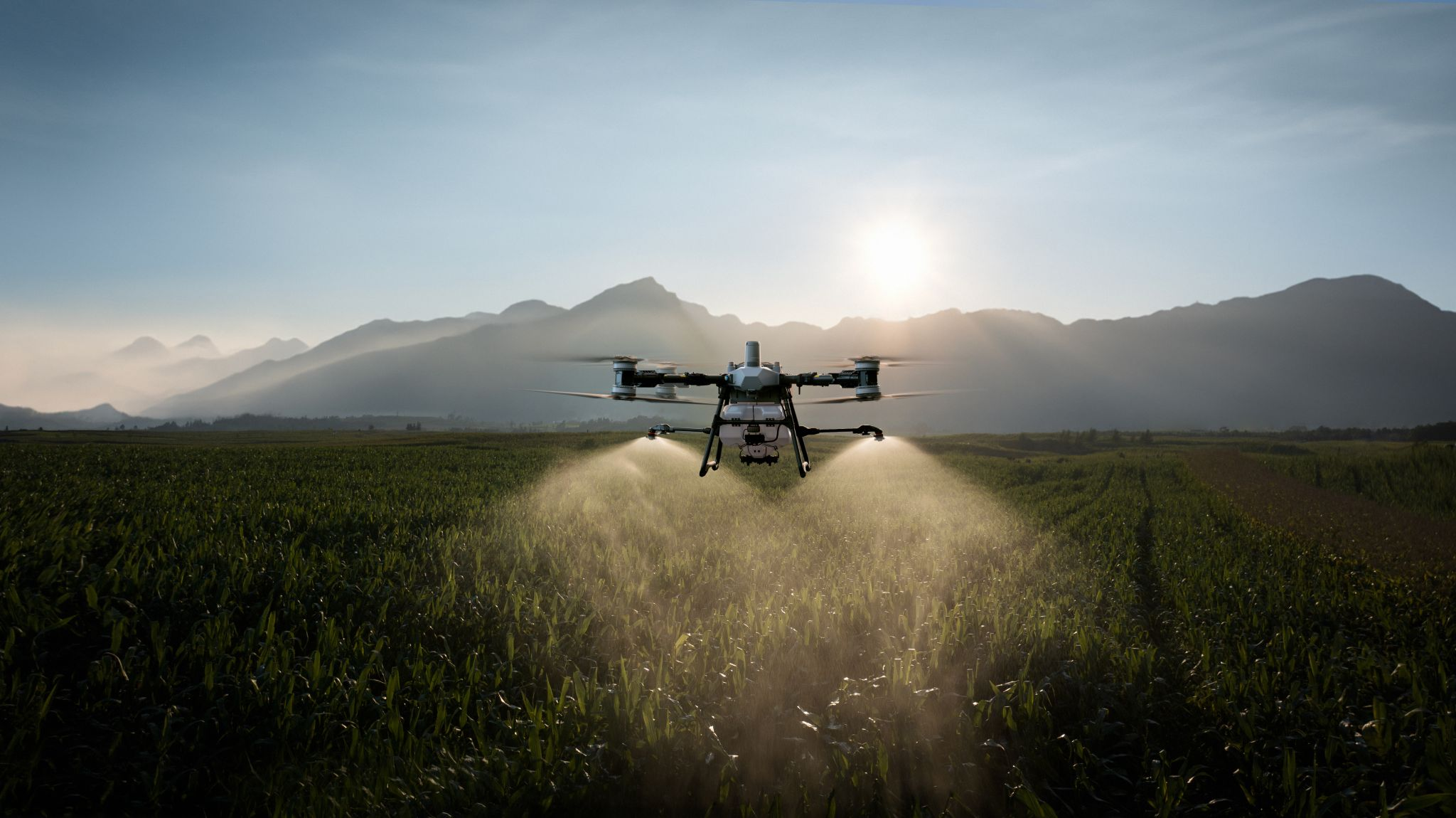
The Agricultural UAVs signifies a substantial shift in current agrarian systems. Various next-generation robotic flyers are built to effectively distribute pesticides and other indispensable ingredients to agricultural land. Employing detailed tools, the Agras solution minimizes human effort investment, augments crops, and fosters environmentally friendly agronomy systems. Producers can now achieve enhanced exactness and coverage in their crop protection procedures thanks to this extraordinary innovation.
Plantation Unmanned Systems: A Producer's Directory to the DJI Agras Models
Every DJI Agras portfolio provides a prominent leap in precision crop management tools, giving agrarians a powerful apparatus for maximizing harvest yields and minimizing operational disbursements. These robotics are especially fabricated for spraying seeds, offering a accelerated and careful procedure than conventional systems. The Agras range contain various designs, each fitted for separate area requirements and crop kinds. This is a quick account:
- T models: Distinguished for their condensed structure and movability, ideal for restricted fields and uneven terrain.
- P editions: Robust machines developed for vast areas, allowing elevated payload and application rate.
- V collection: Created for grove agriculture management, with distinctive features supporting maneuvering in tangled environments.
In the end, integrating a DJI Agras unmanned vehicle into your work can cause important improvements in output and green practices. Effective guidance and compliance with jurisdictional protocols are mandatory for safe and successful function.
Enhancing Production: How DJI Agras-like Dispensing Flying Machines are Redefining Agribusiness
Complete horticultural realm is undergoing a fundamental advancement, caused by modern equipment. Broadcasting automated aircraft, especially classes like the DJI Agras, are overhauling how agrarians oversee their farmland. These tools provide exceptional exactness in distributing fertilizers, constraining waste and raising growth returns. Using aerial navigation, they manage larger territories quicker and with amplified exactness, generating revised crop yields and a environmentally safe way of modern farming protocols.
Drone spraying solutions vs. Old-fashioned Distribution: Productivity and Conservation Perks
Producers are increasingly exploring unmanned aerial systems as an other to legacy emission operations. The performance boosts are substantial; drones can address grounds noticeably brisker than ground-based equipment, cutting down personnel fees. Moreover, targeted broadcasting functionalities mitigate agrichemical drift, giving rise to a decreased habitat degradation and promoting more conservation-minded crop production methods.
Spreading Unmanned Achievement: Concrete Applications of the Da-Ji Agras
Such the Agras range is speedily acquiring approval across numerous domains, revealing its potential for modernizing crop procedures. From detailed spraying of herbicides in considerable farmlands to competently tracking plant wellness, and refining outputs, the Agras system furnishes a prominent dominance over established techniques. Instances present its use in cereal tilling across Asia, tree fields in Western Europe, and soybean cultivation in Southern Southern hemisphere, emphasizing its versatility and universal importance.
Explicit Future Involving Farming: Exploring The Capabilities Pertaining to Agricultural Unmanned Systems
Each agrarian realm is arranged for a major shift, mainly thanks to the increasing use through remote machines. Certain modern mechanisms offer unequaled abilities, encompassing precision land visualization covering farms, exclusive deployment of fertilizers and sprays, and holistic monitoring of harvest state. What's more, they present diminishing of labor charges and increase of overall returns, eventually reshaping the landscape of modern farming practices.
Next-gen Growth Management: Upgrading Soil Amendment Dispersion with A Agricultural UAVs
Modern exact crop management is improving how cultivators manage nutrient broadcasting. The a Agras platform of robotic flyers grants unparalleled exactness and efficiency in soil amendment broadcasting. Leveraging up-to-date observational tools, these automated systems enable producers to distribute supplements precisely where necessary, limiting dispersion and increasing results. This system not only enhances agrarian returns but also champions earth-conscious farming strategies.
Evaluating a DJI Agras: Monetary Aspects, Perks, and ROI for Agriculturists
Acquiring a DJI Agras remote-controlled drone constitutes a significant funding for several agriculturists, but the anticipated earnings can validate the first cost. The full cost includes the device securing charge, ongoing sustaining costs, and guidance costs. However, these spendings are often ameliorated by improved output, lessened personnel costs, curtailed agrichemical use, and enhanced yields. Ultimately, the financial gains depends on factors like field dimensions, farm product variety, deployment, and jurisdictional operating situations, with accurate preparation and data examination critical for increasing income and obtaining a beneficial capital payoff.
Outside of Spraying : Growing the Adoption of this machines in Contemporary Agriculture
Even though firstly recognized for their crop deployment abilities, the DJI Agras reveals a much greater potential across modern cultivation fields. Cultivators are now exploring how these flexible devices can be deployed for tasks above and beyond simple plant nutrient delivery. This incorporates sharp seeding, deploying cover soil cover, and even primary crop development monitoring via innovative sensor technology, pioneering a new era in efficient agriculture methods.