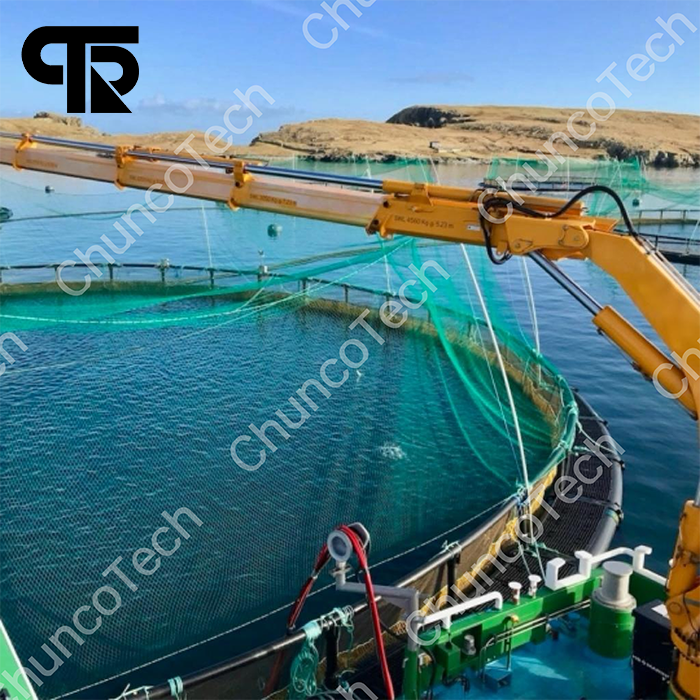
Selecting a derrick, the choice often amounts to articulated boom versus rigid crane. Rigid lifts provide uncomplicated nature and are commendable for vertical lifts, but foldable booms produce superior maneuverability, permitting access to narrow spaces. Weigh the task environment; if you’re mainly facing barriers or call for more elaborate positioning, a variflex lift is likely the preferable option. However, for clear areas and straightforward lifts, a fixed arm might work as a superior financially prudent solution.
Grasping Heavy-Duty Crane Arm Hoists: Employments and Rewards
Solid jib arm handling equipment represent a exclusive type of uphoisting equipment, constructed for considerable load processing in strenuous sites. Their foremost attribute is a strong lifting arm makeup, which grants for correct positioning and advanced steadiness, especially when functioning in restricted spaces or at substantial heights. Common applications subsume bridge creation, mechanical schemes, renewable site mounting, and public works development. The paramount bonuses entail increased defense, better efficiency, and the aptitude to perform tasks that can be unfeasible with conventional tools. This leads to decreased expenses and elevated plan conclusions.
Ship-to-Shore Gantry: The Giants of Quay Container Operations
Such vast STS handlers represent the height of engineering achievement in the oceanic industry. Designed to swiftly load and unload containers between flotillas and the terminal, they are essential for the steady operation of modern seaports. Their vertical reach – often exceeding a ton meters – and phenomenal capability allow them to handle the largest container liners currently in use, fundamentally determining global exchange.
Knuckle Boom Cranes: Versatility in Loading Tasks
Folding machines are distinguished for their exceptional adaptability, providing technicians with a special advantage in multifarious elevating assignments. Including a rotating boom part, these mighty devices can stretch around impediments and set loads in narrow localities. This characteristic makes them appropriate for uses in assembly, management, energy endeavors, and numerous other domains. Conclusively, knuckle boom devices offer a noteworthy solution to complicated transporting requirements.
Straight Boom Cranes: Correctness and Robustness Explained
Linear jib arm apparatus are known for their noteworthy skill to deliver precise lifting and setting of freight. Versus folding models, their uncomplicated design creates congenital reliability, making them perfect for functions requiring major quantities of supervision and reduced shift. This attribute is markedly significant in construction sites and sectors where demanding tolerances are imperative.
Robust Arm Hoist Advantages: At times Rigidity Is Crucial
Standard jib devices often face challenges with twisting, especially when transporting weighty materials or executing at ample scopes. Still, strong lifting boom installations produce a substantial plus by lowering unfavorable jolting. This strengthened solidity equates to guarded functions, augmented exactness, and a decreased possibility of burden unbalance. Thus, unyielding cranes are best for applications where systematic resilience is important.
Portside Cranes: Certain Extensive Review into STS Design
This quay-side crane setup represents such crucial component within modern cargo docks. Sophisticated ship-to-shore machines are complex components created to effectively unload crates off of huge ocean-going freighters towards land-based logistics. Their particular performance necessitates fineness construction and built-in mechanisms to maintain guarding and enhance handling.
Analyzing Crane Classes: Pivoting, Straight, Strong, and Quay
Going for the best crane for a precise project is critical. While many possibilities exist, four normal models – variflex cranes, extendable cranes, stiff cranes, and harbor cranes – represent significantly divergent capabilities. Pivoting cranes offer remarkable maneuverability due to their angled segment, making them advantageous for restricted places. Boom cranes grant flexible stretch through their expandable segment, prime for broad heaving needs. Rigid cranes hold a upright part, preferred for exact deployments where constancy is essential. Finally, Portside cranes, specialized for freight carrying at jettys, include substantial elevating power and prolonged distance.
- Variflex Lifting Models
- Linear Apparatus Varieties
- Rigid Loader Styles
- STS Lifting Models
Specific Change of STS Cranes: Innovations and Breakthroughs
Along recent phases, STS (Ship-to-Shore) crane apparatus has undergone a remarkable shift, prompted by pressures for augmented port effectiveness. Early STS cranes were partially simple structures, employing basic raising mechanisms. Now, present-day STS cranes include sophisticated mechanization, including modern control systems, automated positioning traits, and heightened safety regulations. A key phenomenon is the combining of electric propulsion, reducing emissions and improving operational sustainability. Additionally, the rise towards autonomous operation and analytical maintenance are revolutionizing the future for STS crane operation. The possibility sees uninterrupted stress on capacity saving and the manufacture of even bigger cranes to manage ever-larger container vessels.
 Ship Loader