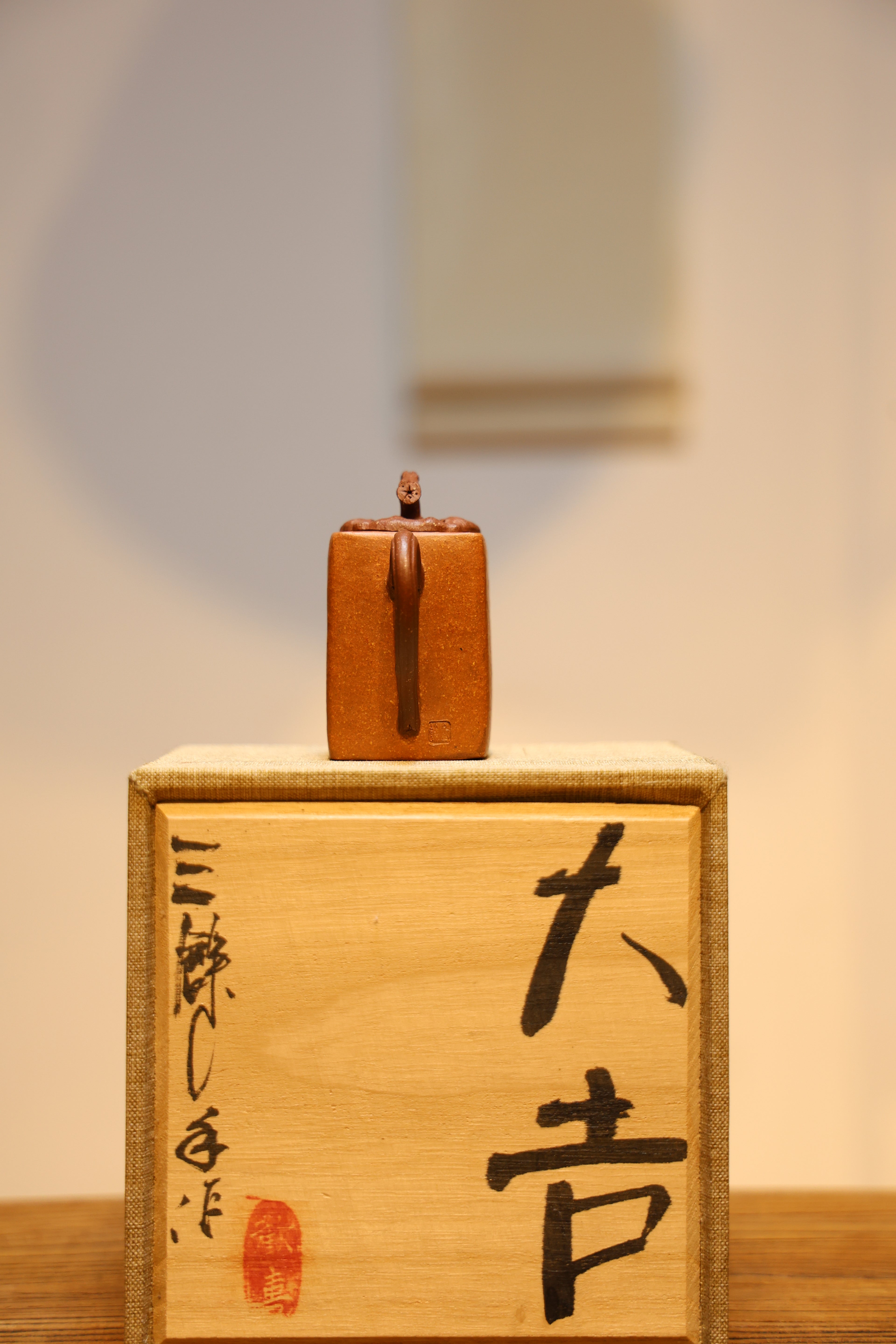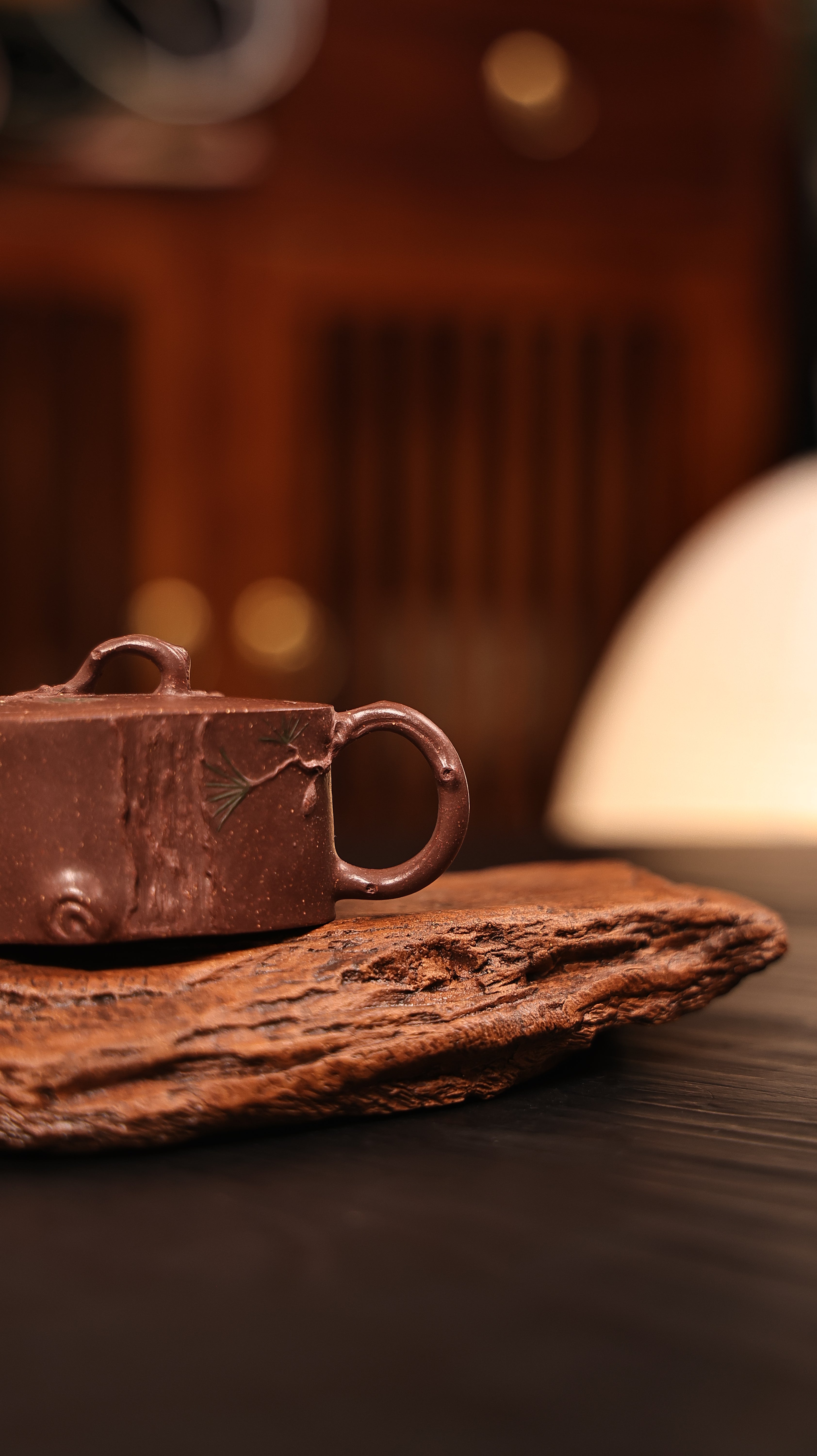
Timeless history defines Zisha earthenware via periods,
Embodying peculiar characteristics drawn inside regional plum minerals, those earthenwares gain a glow along operation, boosting savor liberated from extracted drinks.
Discovering Yixing Material: Comprehensive Insights into Zisha
Multiple aficionados appreciate the distinctive texture of Yixing purple clay, a linchpin of enduring Chinese craft. Emanating from the Yixing region of Jiangsu province, this uncommon clay exhibits an detailed mineral composition, in order that furnishes excellent qualities to the produced pots. Variants within Zisha, including Zi Mud, Duan Ni Mud, and Jiang Xi Mud, each displays separate hues, feels, and curation traits, changing the airflow and the conclusive taste maturation of the drink.
Far Eastern Teapot Usages: Discovering Craftsmanship
Celestial teapots embody above mere urns for beverage; they symbolize centuries of customary expertise. From the iconic Yixing clay variations, respected for their transpiring nature which conveys distinctive nuances to the brew, to the fine porcelain from Jingdezhen, each piece unfolds a tale of artistry. The construction process is an involved task, often handed over through bloodlines of masters. These experts use vintage methods such as hand-building, sculpting on wheels, and adorned, demonstrating profound reverence for the component and the practice itself. Visualize the devotion invested in each piece as a symbol of Chinese tradition legacy.
- Eastern clay urns: a iconic offer.
- Translucent pottery teapots: noted for their lightweight design.
- Crafting techniques: a laborious yet rewarding procedure.
Jiangsu Purple Kettle Protection: Sustaining Your Prized Possession
Optimal upkeep of your distinguished Yixing Zisha jar is essential to prolonging its beauty. Crafted from renowned purple sand sediment, these outstanding teapots attain a deep patina after service, decidedly boosting their allure. Refrain from cleansers; a tender rinse with lukewarm moisture is efficient. Steer clear of hot water for cleansing the teapot, as it may degrade its structure. Allow it to dry naturally away from bright natural light. Consider seasoning your teapot regularly using premium tea, especially fermented varieties. Here is a brief manual:
- Wash out with lukewarm moisture.
- Eschew cleansers.
- Provide it to air dry.
- Break in with superior tea.
History of Yixing Teapots: From Basic Inception
The chronicle of Yixing teapots launches initially during the Zhao dynasty, roughly the 16th interval. Initially, these articles were not the valued collectibles they are considered now. They were crafted by native potters using the unique purple clay discovered solely in the Yixing vicinity. These early creations were primarily utilitarian, designed for everyday application and often simple in design. It was not until the Qing dynasty that they opened up to earn esteem beyond mere employable pieces.
Identifying the Appropriate Jiangsu Container: A Novice's Guide
Embarking the world of Yixing teapots can be difficult, but resist hesitating! For starters, the key factor is understanding the soil. Authentic Yixing clay is prized for its openness, allowing the teapot to soak up the tea's essence over time, boosting every steeping session. Envision the configuration; traditional globular shapes prevail, yet subjective preferences matter. Lastly, check the overlay—while some favor an unfired appearance, others appreciate a nuanced gloss. Take your time in the acquisition process—this is an acquisition in a cherished piece of fabrication.
Chinese Purple Containers and Their Power on Chinese Concoction Custom
Zisha teapots, produced from Yixing, China, have profoundly transformed traditional Chinese concoction culture. These Yixing clay teapots, prized for their recognizable pigment, feel, and exceptional ability to impart a subtle note to the brew, stand as more than mere ware; they are esteemed treasures and symbols of importance. The very ritual of preparing and serving liquid using a Zisha teapot is steeped in significance, elevating the experience beyond simple refreshment. Successions of artisans have developed their techniques, passed down through lineages, resulting Zisha Teapot in highly appreciated pieces. Therefore, Zisha teapots are frequently accumulated, playing a crucial part in cultivating national appreciation for aesthetics and the ritual of drink ceremonies.
- Singular Clay Composition
- Providing Subtle Flavor
- Detailed Craftsmanship
Distinguishing Verified Precious Local Vessels
Procuring a authentic Yixing teapot can be a enjoyable experience, but the market is often plagued with knockoffs. Differentiating between a real antique and a contemporary reproduction requires scrupulous inspection. Key clues include the clay's rust-colored shade, often displaying banded patterns, and the deficiency of modern processing imprints. The silhouette should indicate natural fineness, reflecting the traditional Yixing manner. Finally, reviewing the potter's stamp is fundamental to verify authenticity against known literature.
- Assess the clay's fabric.
- Look for imperfections, indicative of custom quality.
- Employ an specialist for appraisal.
Collecting Yixing Ceramic Vessels: A In-Depth Instruction to Zisha Understanding
The domain of Purple Zisha crafts offers a unique venture for savvy supporters. Progressively, the value of these artisanal artifacts is affected by multiple aspects, such as the class of clay substance, the talent of the builder, the legacy significance, and, naturally, the current market. Newcomers should focus on researching the diverse categories of Zisha clay—such as Ice River, Tranquil Vessel, and Crimson Soil—and studying the properties linked to each. Diligent review of the container's design, hue, and mark is additionally essential to make informed considerations when investing.